

-
StartGreen & Evenpar invest in international energy transition
As of September 1st , StartGreen Capital and Evenpar form a partnership to finance infrastructural renewable energy projects in emerging markets, with an initial focus on the African Energy Transition.
Emerging markets present an attractive potential for impact investments, leveraging on the increased energy demand, optimizing the circular use of available feedstock and utilizing EU technology. According to International Renewable Energy Agency (IRENA)*, the continent’s energy demand is set to double by 2040. Therefore, the partnership focuses on investment opportunities which produce efficient decentralized energy by utilizing primarily waste-recycling, waste-to-energy, biogas and biofuel technologies alongside other technologies.
Investment opportunities in Africa
Peter Nyeko, CEO Mandulis Energy (an Ugandan renewable energy project developer) highlights:
“The energy transition will be a vital part of the infrastructural growth in Africa, especially East Africa. It represents investment opportunities for projects with standard technology and investors who want to combine returns with impact realisation. This market is not over-crowded and many East African industrials and cities struggle with similar challenges.”New partnership
StartGreen Capital is one of the largest Impact Fund Managers in the Netherlands with over €450 million AuM and believes that the sustainable economy transition is initiated by entrepreneurs with vision, drive and guts.
Evenpar is a project development specialist with in-depth understanding of project dynamics, financial structuring, technology and emerging markets.Solid financial returns
The targeted projects deploy proven and maintainable technology on the back of long-term supply agreements and creditworthy off-take contracts (industrial or government backed). Accordingly, this approach minimizes technology, feedstock supply and off-take risks, resulting in strong operational performance and creating long term stable cashflows. This strategy combined with blended finance structuring leads to solid financial returns.Pjotr Schade – Managing Partner Evenpar Investment:
“This partnership is a powerhouse for impact investing in emerging markets since it combines the best of both worlds. StartGreen Capital is really the champion in impact fund management, with its strong track-record and its entrepreneurial approach to opportunities. The partnership allows Evenpar to focus on its core competence, being developing & investing in stable return high impact projects whilst being supported by StartGreen Capital fund management. This provides the investor with competitive returns and the assurance of fund stability.”Impact on Sustainable Development Goals
The partnership invests with the intention to generate financial returns as well as create social and environmental impact. This is done by combining financial and investment/technical knowledge to finance and provide project development support, technical assistance, technology development and schooling to utilize effective proven technology to efficiently process low value available feedstock input into high value and much needed clean energy production in Africa. All together this results in positive outcomes for SDG 7 (affordable and clean energy), SDG 8 (decent work and economic growth) and SDG 11 (sustainable cities and communities).Text by: Brigitte Buissink
-
Global Focus – Economic Outlook 2026
An interesting read by Standard Chartered, the global outlook 2026 where Sub-Saharan Africa’s structural reforms focus on investment, are predicted to reap dividends.
Hats off to Standard Chartered and Razia Khan who continuously challenge. -
Infrastructure assets targeted at Africa’s retirement funds
Jaco Visser 28 October 2025
Gaia Fund Managers is intent on making scarce renewable energy investments available to retirement savings in four African nations. Gaia Fund Managers, which specialises in alternative assets and has about R5bn under management, this year made its first fund available to investors outside South Africa.
The Gaia Renewables 1 fund listed its B preference shares on the Botswana Stock Exchange in April. With plans to list these shares on the Nairobi Stock Exchange and Ghana Stock Exchange, the aim is to raise $60m to deploy in renewable energy projects across the African continent.
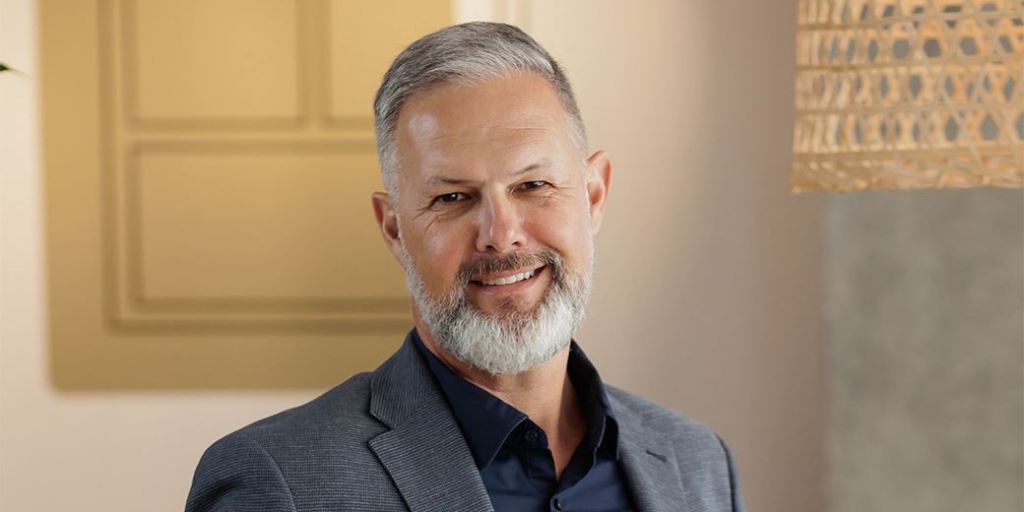
‘The Gaia Renewables 1 fund, listed on the Cape Town Stock Exchange, is a feeder fund for our Luxembourg-domiciled Gaia Africa Climate fund,’ Mich Nieuwoudt (pictured above), co-founder and executive chair of Gaia, told Citywire South Africa.
-
GIIN report
READ ARTICLE: Impact investing surges despite global headwinds
Posted in category: Impact ecosystem Investment
Written by: Krystle Higgins
The latest report by the Global Impact Investing Network reveals strong growth in impact-related private equity investments, with pension funds now supplying the largest pool of impact capital, reflecting greater institutional involvement.

-
Impact Investor Conference

Impact Investors . Congres centrum . Den Haag. Copyright: Sander Nieuwenhuys Impact Investor Conference: Wealth holders shift towards bolder impact strategies
Family offices and foundations are working together to achieve greater impact, the Impact Investor Conference 2025 heard.
Europe’s family offices and high-net-worth individuals have become increasingly active in impact investing over recent years, taking advantage of a wider range of suitable vehicles and opportunities for collaboration, speakers at last week’s Impact Investor Conference in The Hague said.
-
Sustainable Infrastructure Investments
A safe haven amid stock market volatility
In today’s rapidly shifting economic environment, investors are navigating increasing uncertainty across global financial markets. From inflationary pressures and rising interest rates to geopolitical instability and tech sector corrections, stock markets have become increasingly volatile. In this context, sustainable infrastructure investments have emerged as a compelling, resilient alternative that offers both long-term growth potential and stability.
Sustainable Infrastructure
Sustainable infrastructure refers to essential physical systems—such as renewable energy and clean water—designed and operated to minimize environmental impact and maximize social and economic benefits. These projects not only address urgent climate challenges but also generate steady, predictable cash flows over the years, a rare quality in today’s investment landscape (i).
A Hedge Against Market Volatility
One of the most compelling reasons to consider sustainable infrastructure now is its performance during times of market stress. Traditional equities, particularly in technology and speculative sectors, have seen sharp fluctuations in recent years. In contrast, sustainable infrastructure assets—especially those tied to essential services—tend to be less sensitive to market cycles.
BlackRock found that infrastructure assets, particularly those aligned with environmental, social, and governance (ESG) goals, outperformed traditional equities in periods of market volatility. These assets also benefit from inflation-linked revenues (ii).
Long-Term Growth, Real-World Impact
Beyond financial performance, sustainable infrastructure investing offers something many traditional assets cannot: real-world impact. Investing in clean energy, efficient transport, and green urban development contributes directly to the fight against climate change, while also promoting job creation and economic resilience.
Diversification and Institutional Demand
Institutional investors, including pension funds and sovereign wealth funds, are increasingly allocating capital to sustainable infrastructure for its diversification benefits. Unlike public equities, infrastructure assets have low correlation with traditional asset classes, helping investors manage portfolio risk.
PwC’s 2024 Infrastructure Investor Survey showed that over 70% of institutional investors plan to increase allocations to sustainable infrastructure in the next five years, citing long-term yield, ESG alignment, and inflation protection as key drivers (iii).
Conclusion
In a world where economic uncertainty and climate risks are converging, sustainable infrastructure offers a unique investment opportunity—stable, purpose-driven, and poised for growth. With robust policy support, growing institutional demand, and demonstrated resilience in volatile markets, now is the time for investors to look toward the foundations of a sustainable future.
i International Energy Agency, World Energy Investment Report 2024
ii BlackRock Investment Institute, Infrastructure Resilience Report, 2023 PwC
iii Global Infrastructure Investor Survey, 2024
-
Davos: is blended finance delivering on its promise?
Blended finance is mobilising private investment to meet development aims, but it needs to be part of a wider toolbox of support from national and supra-national bodies, World Economic Forum delegates heard.
Despite reaching a five-year high of $15 billion in 2023—driven by multilateral development banks (MDBs) and development finance institutions (DFIs) tackling climate change and social inequity—this figure pales in comparison to the estimated $4 trillion annual shortfall required to meet global development goals.
A Danish Model for Scaling Blended Finance
Jon Johnsen, CEO of Danish pension fund PKA, highlighted a successful approach taken by Danish pension funds and the government through the Danish SDG Investment Fund. By assuming early-stage risks, the government attracted institutional investors who would otherwise avoid such high-risk projects. The first fund, launched in 2018, is fully invested, while a second fund secured an initial close of €362 million in November 2024.
Johnsen believes this model could be adapted for MDBs to take on first-loss positions, de-risk investments, and scale blended finance solutions.
Beyond Blended Finance: MDBs’ Broader Role
Odile Françoise Renaud-Basso, President of the European Bank for Reconstruction and Development (EBRD), stressed that while blended finance helps unlock private capital, it is too costly to be the primary solution for development financing. MDBs must also focus on:
- Implementing policies to attract large-scale investments
- Strengthening local capital markets
- Addressing currency risks to improve financial stability
- Institutional Collaboration for Development
Hayashi Nobumitsu, Governor of the Japan Bank for International Cooperation (JBIC), emphasized that MDBs and state finance institutions must work beyond investment roles. JBIC collaborates with foreign governments to improve regulatory frameworks and support large-scale projects, such as renewable energy.
However, he warned that assessing risk in blended finance remains complex. For instance, while geothermal energy offers high decarbonization benefits, the uncertainty of energy output before operation makes investment riskier. Risk-sharing mechanisms can help overcome these challenges.
Public-Private Partnerships: A Path Forward
Leila Fourie, CEO of the Johannesburg Stock Exchange, highlighted South Africa’s energy crisis as a catalyst for stronger collaboration between the public and private sectors. Facing unreliable power supply and the need for a renewable transition, stakeholders have built unprecedented cooperation, demonstrating how crises can drive effective partnerships. Blended finance remains a vital tool, but its limitations require MDBs, governments, and private investors to expand their roles in unlocking sustainable and scalable development funding.
Sourced: from an article by Ian Lewis January 2025 -
AfDB Backs Sustainable Infrastructure in West Africa with $10 Million Investment
The African Development Bank (AfDB) has announced a $10 million concessional equity investment in the ARM-Harith Successor Infrastructure Equity Fund. This initiative aims to enhance access to dependable electricity, modern transportation systems, and energy-efficient technologies across Nigeria and the broader West Africa region.
This strategic funding, provided through the bank-managed Sustainable Energy Fund for Africa (SEFA), is expected to attract further investments from both local and international sources. The ARM-Harith fund is targeting a total capital raise of $200 million to finance sustainable infrastructure and energy transition projects, with a primary focus on Nigeria. SEFA, a multi-donor special fund, plays a critical role in unlocking private sector investments in renewable energy and energy efficiency.
Managed by ARM-Harith Infrastructure Investments, the ARM-Harith Successor Infrastructure Equity Fund addresses a pressing need for equity financing in the region’s infrastructure sector. Its innovative model incorporates capital raised in both US dollars and Nigerian naira, enabling participation from diverse investors, including local pension funds.
Wale Shonibare, Director for Energy Financial Solutions at AfDB, emphasized the importance of the investment: “This partnership with ARM-Harith and SEFA’s involvement highlights how collaboration can mobilize private sector funding, including local currency, to create sustainable infrastructure and deliver a lasting positive impact for communities across Africa.”
Rachel Moré-Oshodi, Managing Director and CEO of ARM-Harith, expressed her enthusiasm for the partnership: “Working with the African Development Bank on this strategic initiative represents a significant milestone for impactful investing. By mobilizing domestic capital for infrastructure development, we are setting a new benchmark for innovation and sustainable growth across Africa.”
This initiative exemplifies the power of strategic partnerships in advancing Africa’s development agenda, paving the way for a resilient and self-sufficient continent.
-
Evenpar continues to work with new project developers in South Africa.
The clean water crisis in South Africa is driven by aging infrastructure, frequent droughts, and mismanagement of water resources.
Poor maintenance of water treatment plants, leaking infrastructure, population growth and industrial demands are placing increased pressure on the country’s limited freshwater supply.
By investing in Sustainable Infrastructure, Evenpar combats the challenges of the water sector in South Africa.
Currently, Evenpar has started to work with yet another project developer who develops and build water sanitation plants in South Africa. -
Lower interest rates versus Impact Investing
Zeist, 23 September 2024
The current lower interest rates in Europe present significant opportunities for impact investing in developing countries. As European Central Bank (ECB) policies drive down interest rates, capital that would have traditionally flowed into low-risk, fixed-income assets is now seeking higher returns. This trend is particularly beneficial for impact investments in developing nations, where there is a growing need for sustainable development financing, especially in sectors like renewable energy, healthcare, education, and infrastructure.
Impact Investing and Lower Interest Rates
Lower interest rates in Europe reduce the returns on traditional fixed-income investments such as bonds and savings accounts. This pushes European investors to seek alternative opportunities that offer higher returns, despite higher risks. Impact investments in developing countries, which combine financial returns with measurable social or environmental outcomes, become attractive in this environment. As investors are more willing to explore riskier markets for better returns, capital can flow into sectors that address critical development challenges (1).Affordable Financing for High-Impact Projects
One of the key barriers to impact investing in developing countries is the high cost of capital. Projects in renewable energy, clean water access, and education often require long-term financing, and higher interest rates can make borrowing prohibitively expensive. However, with lower European interest rates, developing countries can access cheaper loans, reducing the cost of capital for impact-driven projects. This is especially crucial for ventures that aim for long-term sustainable development rather than short-term profits.For example, renewable energy projects in Africa, often rely on international financing due to limited domestic capital availability. European investors, incentivized by low interest rates at home, can invest in these projects, thereby promoting energy transition in regions that are most vulnerable to climate change (2)
Growth of Green Bonds and Other Financial Instruments
Another positive effect of Europe’s lower interest rates is the expansion of financial instruments like green bonds, which are used to fund environmentally sustainable projects. Developing countries, especially those in Africa, Asia, and Latin America, are increasingly looking to tap into global capital markets to finance their sustainability goals. The issuance of green bonds allows European investors to support impact-driven projects in these regions while benefiting from the relatively higher yields compared to European bonds.For instance, countries like Kenya and India have successfully issued green bonds to finance renewable energy and sustainable infrastructure. European investors, seeking diversification and higher returns amid low rates at home, have played a key role in funding these initiatives, accelerating progress toward clean energy access and sustainable urban development (2) (3).
Mitigating Investment Risks in Developing Countries
One concern for European investors when considering investments in developing countries is the higher perceived risk, including political instability and currency volatility. However, the low-interest-rate environment allows for more patient capital, which can be committed to long-term projects that deliver impact. Additionally, tools like blended finance, where public funds are used to de-risk private investment, have gained traction. This helps to mitigate risks while enhancing the financial viability of projects in sectors like healthcare and infrastructure (2).Conclusion
Europe’s current low-interest-rate environment is a catalyst for impact investing in developing countries. With limited returns on traditional European assets, investors are increasingly drawn to high-impact projects abroad that promise both financial returns and social or environmental benefits. This shift in capital flows is particularly beneficial for developing nations, where access to affordable financing can help address urgent development challenges.- Euronews, April 2024
- Frontier Finance, European Interest Rates: Outlook 2024
- World Economic Forum, Shifts in interest rates Jan. 2024
Zeist, 23 September 2024
-
The cost advantage of Direct Investing versus Fund-of-Funds
In the realm of investment, the choice between direct investing and fund-of-funds often boils down to more than just returns—it’s about cost efficiency too. While fund-of-funds offer diversification, their fee structures can significantly eat into investors’ returns. Conversely, direct investing is a cost-effective alternative, providing investors with more control over their portfolios and potentially higher net returns.
One of the primary reasons for the lower cost of direct investing is the elimination of layers of fees associated with fund-of-funds. When investors opt for funds, they not only pay management fees but also incur additional expenses such as administrative costs and analysis fees. These fees can collectively amount to a substantial percentage of the invested capital, significantly diminishing overall returns.
In contrast, direct investing often involves minimal fees. Investors can bypass intermediary charges and directly allocate their capital to individual projects, making it accessible to a broader range of investors.
Moreover, direct investors have the flexibility to tailor their investment strategies according to their risk tolerance, time horizon, and financial goals without being constrained by the mandates of fund-of-funds. This customization not only enhances portfolio alignment with individual preferences but also eliminates the need to pay for services that may not align with investors’ specific needs.
Research confirms the cost advantage of direct investing over fund-of-funds. According to a study by Vanguard, expense ratios for fund-of-funds typically range from 0.50% to 1.00% or more on top of management fees of the funds that they invest in, whereas direct managed funds charge substantially lower fees, often less than 0.10%. In contrast, direct investors can access individual securities with minimal expense ratios, further reducing the drag on their investment returns.
Additionally, a report by Morningstar found that over long investment horizons, the compounding effect of lower fees can significantly amplify returns for direct investors compared to those invested in fund-of-funds. This underscores the importance of fee minimization in maximizing long-term wealth accumulation.
By cutting out layers of fees and empowering investors with greater control over their portfolios, direct investing emerges as a compelling option for those seeking to optimize their investment returns while minimizing expenses.
In conclusion, the lower cost of direct investing compared to fund-of-funds presents a compelling case for investors looking to maximize their returns. With the proliferation of low-cost investment options and the potential for higher net returns over the long term, direct investing stands as a formidable alternative in the landscape of wealth accumulation.
References:
1. Vanguard, “How Costs Impact Performance,” Vanguard Research, June 2021.
2. Morningstar, “The Morningstar Fee Study,” Morningstar, September 2022.
 Evenpar Fund